What gear to use and tips to snorkel?
- Breannah Mitchell
- Jan 11
- 6 min read


Are you stuck with finding the right snorkel gear? Trust me that has been me too! Lets save you some overwhelming worry and get you into the water!
There are many places where you can purchase snorkel gear in Hervey Bay. One of my favourite local stores is Tackle World Hervey Bay, which offers a huge range for snorkellers and divers. For free-diving gear, I purchased all of my equipment through Adreno in Brisbane. I've also bought my reef booties at BCF Hervey Bay which they also have a range of gear and accessories like paddle boards and pool noodles.
Snorkelling Gear and Safety:
Snorkel mask and fins – essential for exploring underwater.
Reef-safe sunscreen – protects both your skin and the ocean. Sunscreen chemicals can damage coral reefs by causing coral bleaching, which can lead to coral death. Always check your sunscreen label to ensure it is reef safe.
Sun protection clothing – long sleeves and pants not only protect you from the sun but also from grazes on coral.
Reef gloves – provide extra protection for your hands when near coral.
Paddleboard – useful to float over the corals if you get tired while snorkelling.
Pool noodle - can also be useful to rest on if you get tired and helps to avoid resting on coral.
Reef knife – helpful if you encounter any fishing line or debris on the reef.
Reef Shoes/Reef Socks - Reef shoes or reef socks are helpful when stepping over rocks, as they can be quite slippery. Reef socks are also useful because you can walk on the rocks comfortably and then put your fins on over the top.
Trying on your gear in store is very important, as you can ask the team whether something is meant to fit the way it does, and they can also give you helpful tips on what you may need when heading out into the water. You can also learn something new from someone when going in person and learn from their local experience and knowledge.


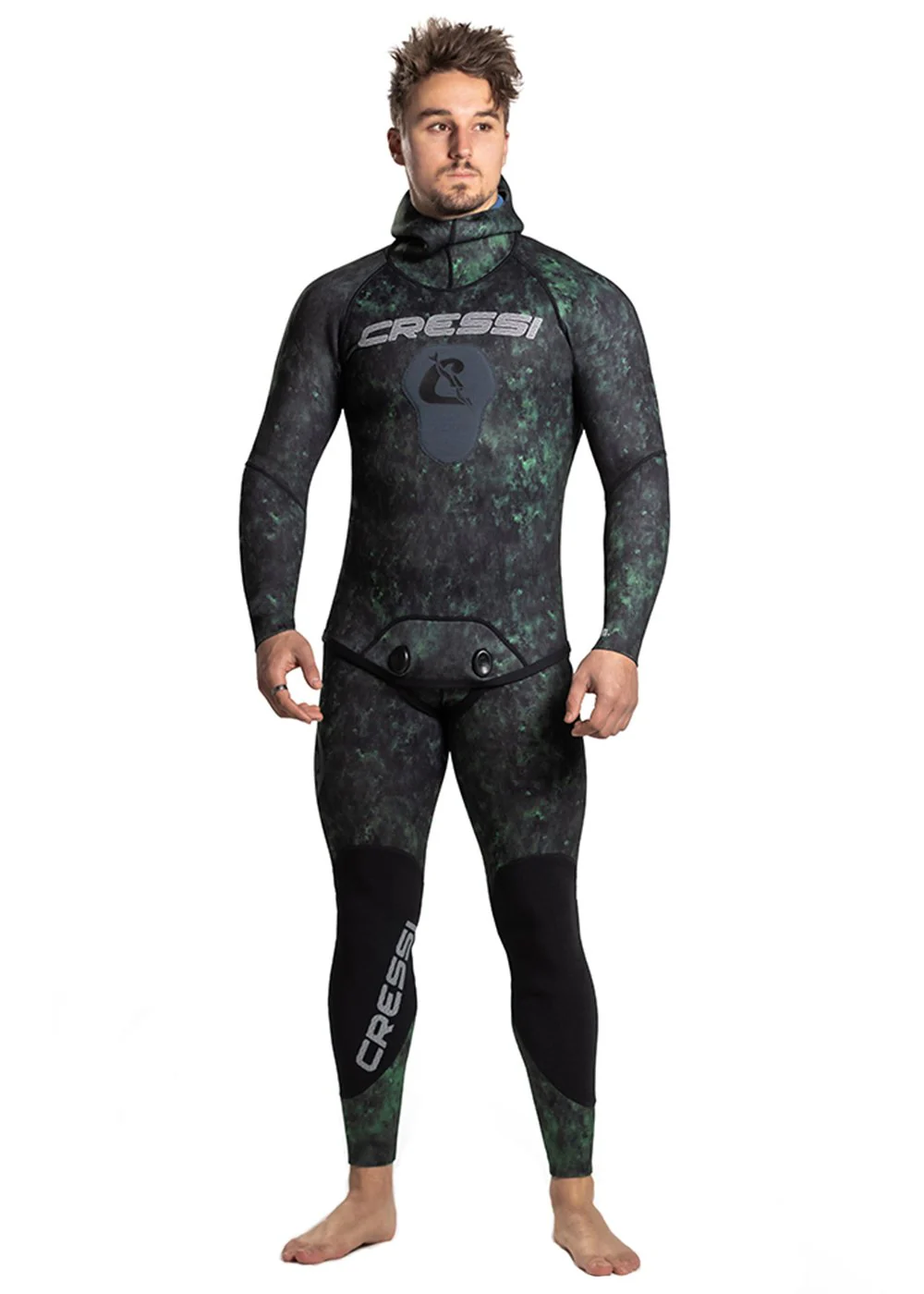


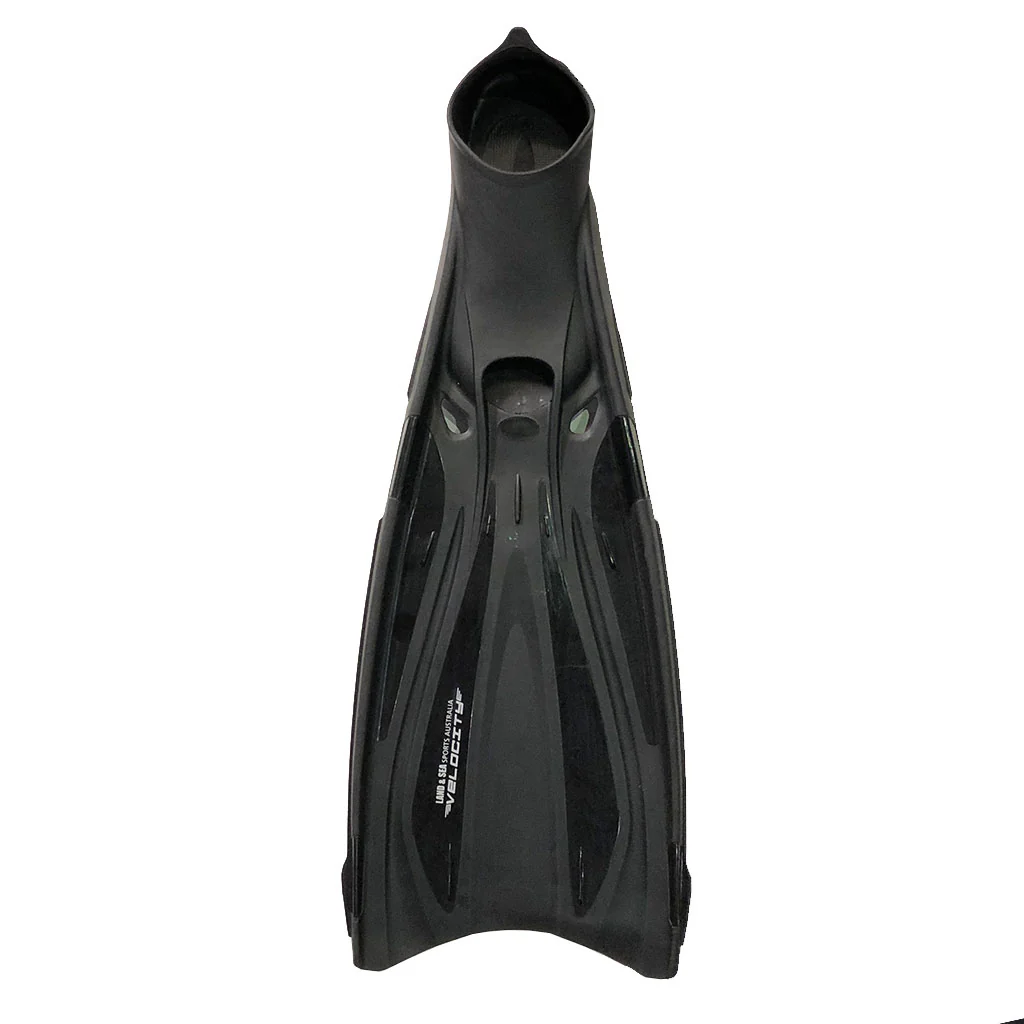
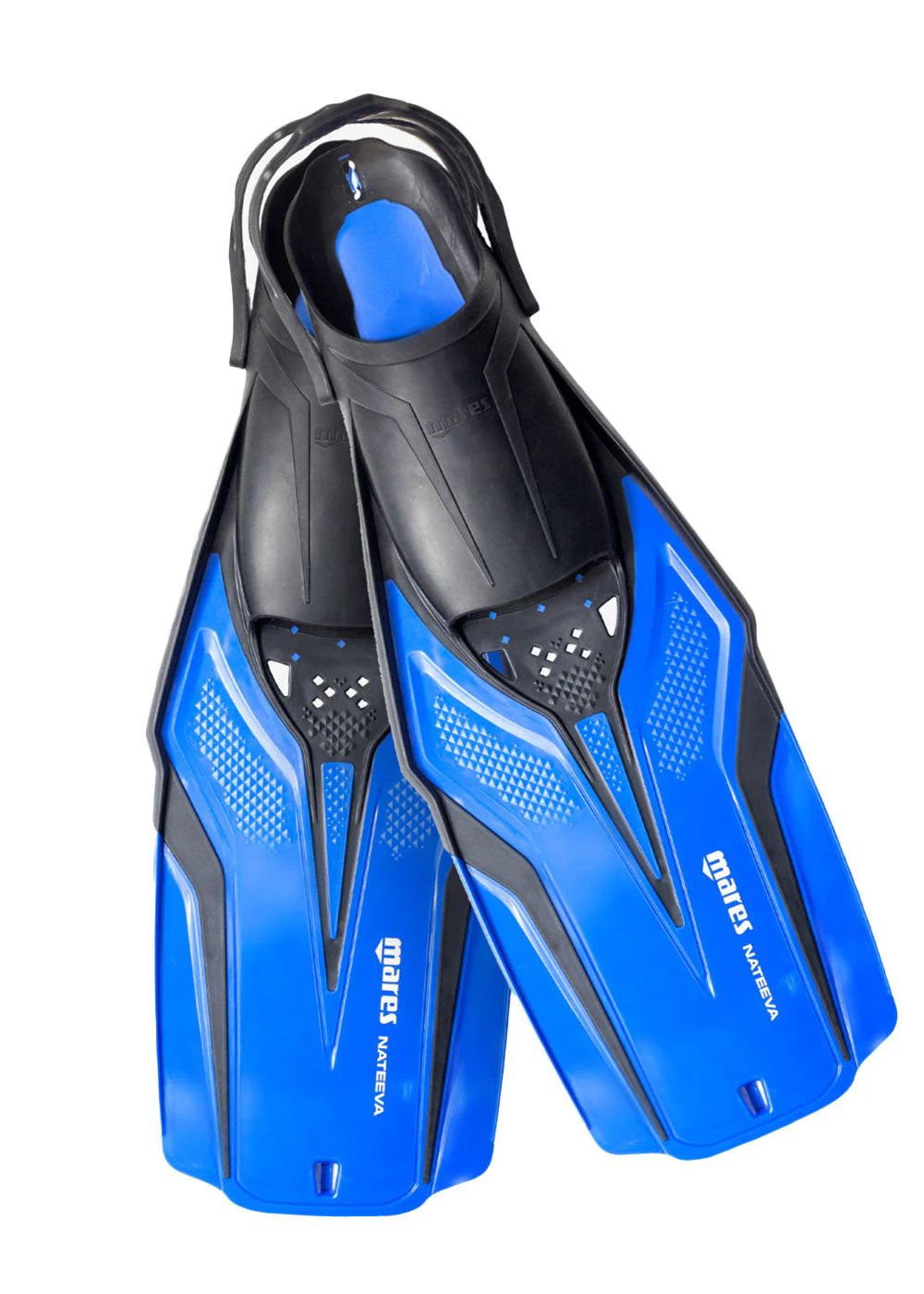
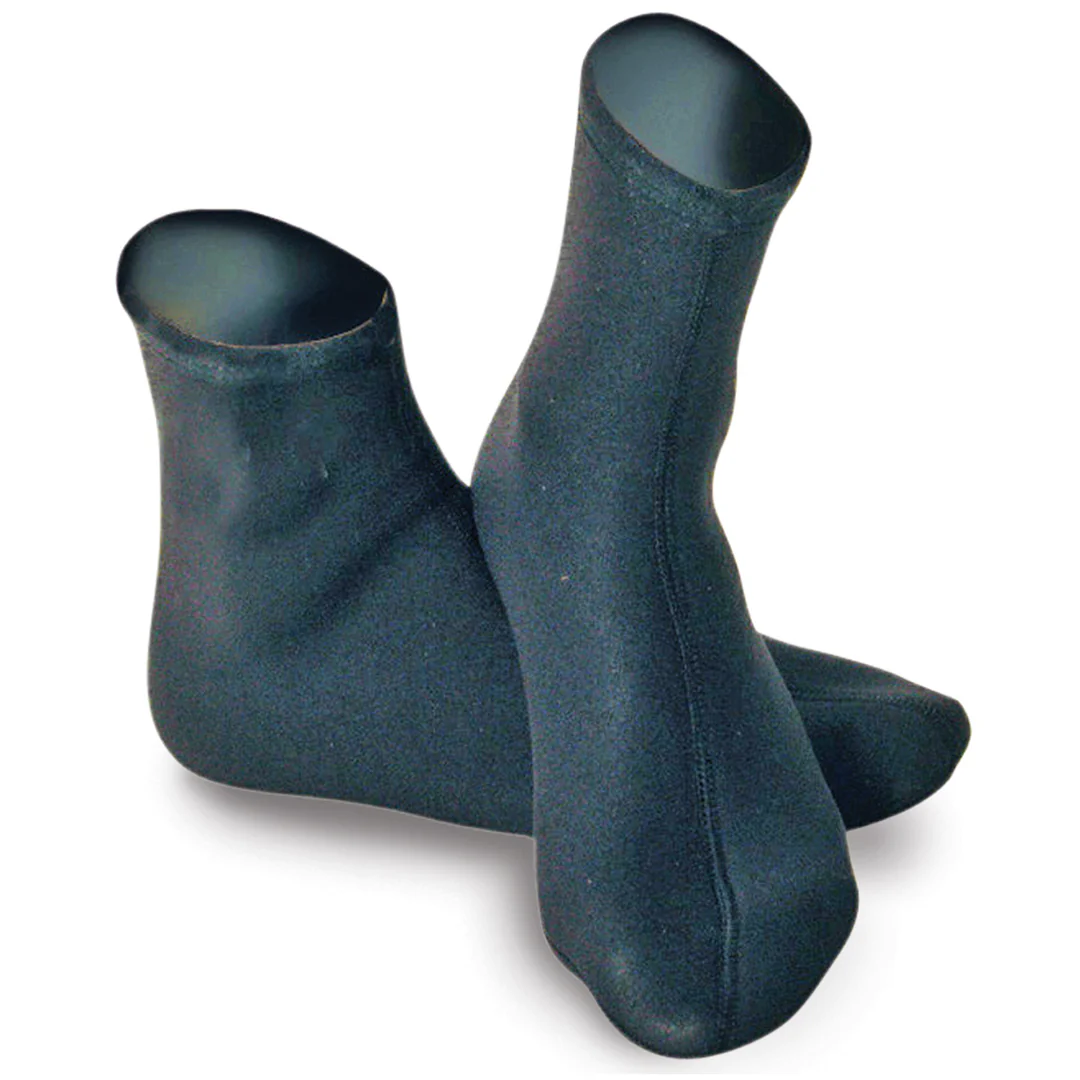
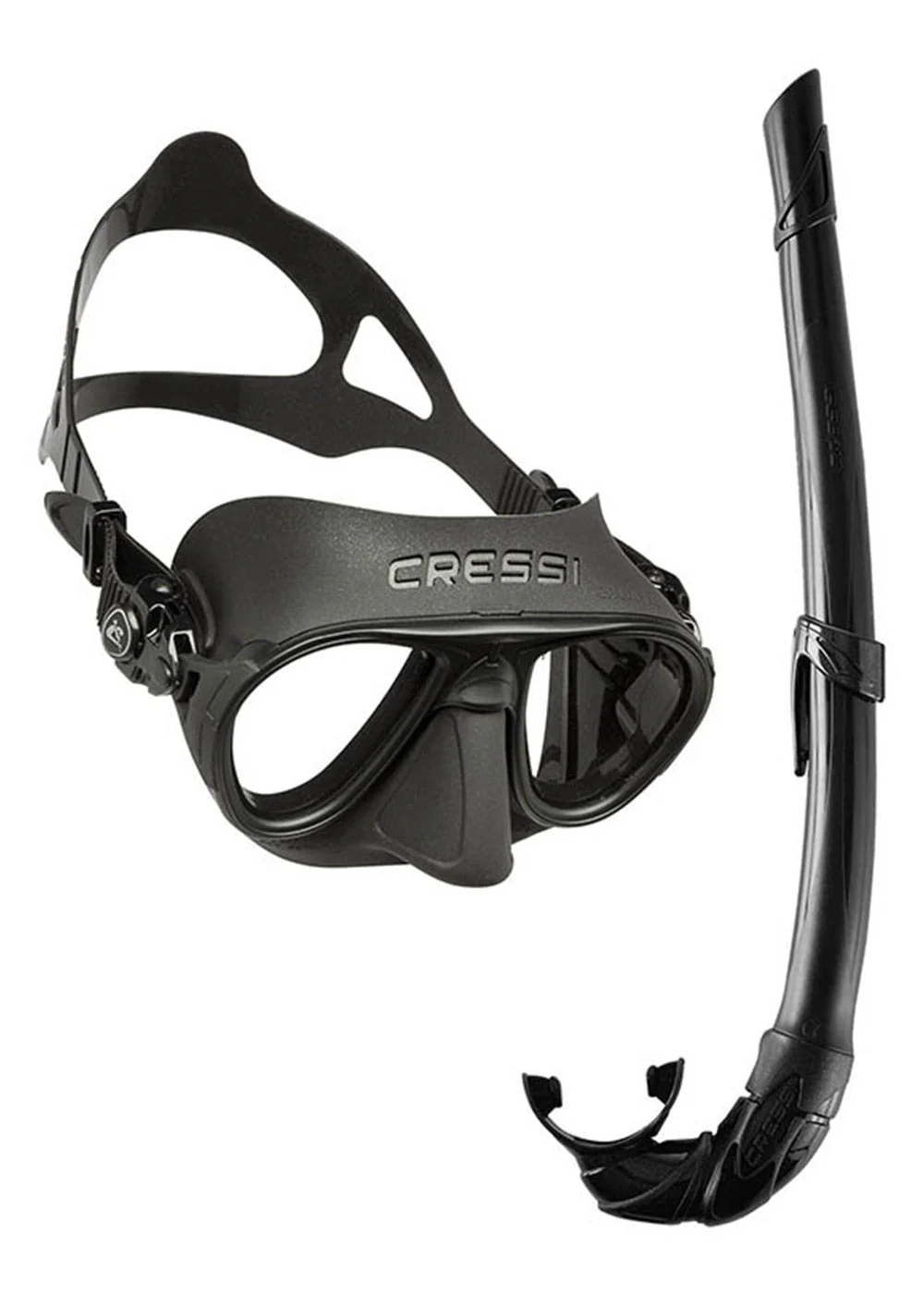
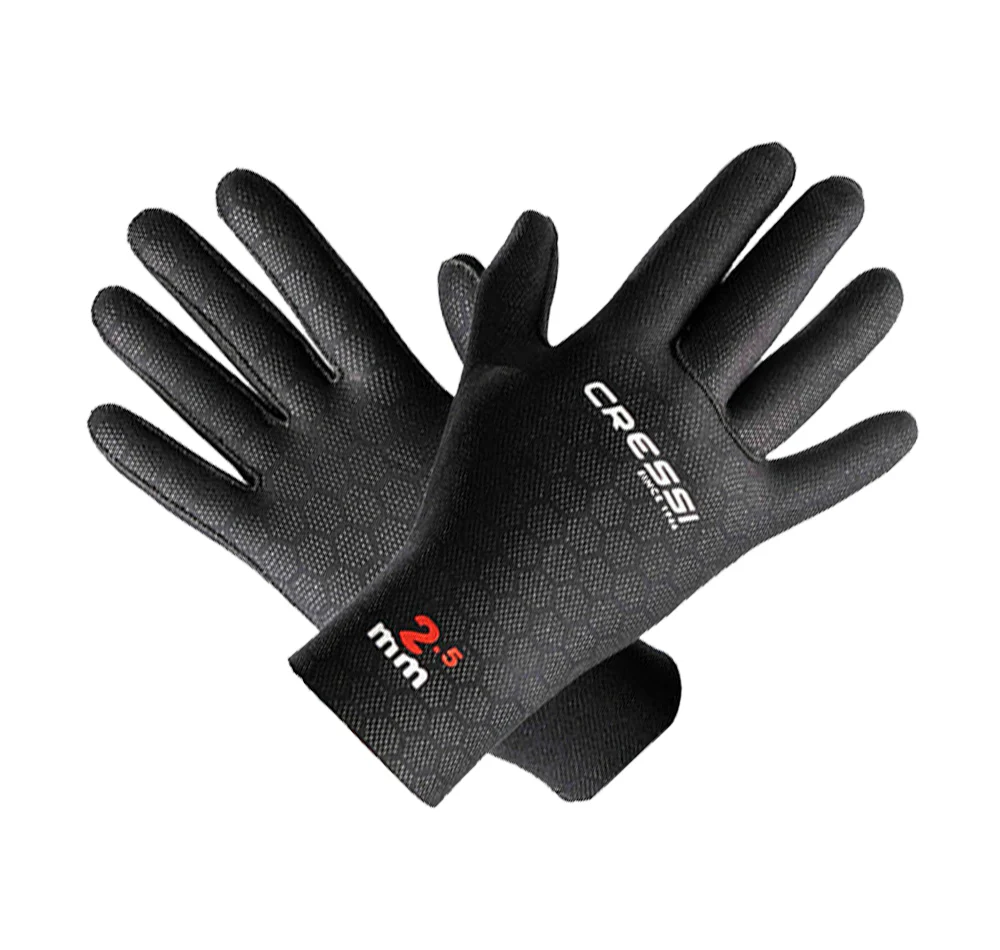
Please note all the brands shown are all random not all preferred branding - buying snorkelling gear is a personal choice. So pick out the gear or brand you are drawn to. 1. full body sun suit 2. Wet Suit 3. Reef Shoes 4. Reef Boots 5. Closed Fin 6. Open Fin 7. Reef Socks 8. Mask and Snorkel 9. Reef Gloves
Gear Up (Proper Fit is Key)
Mask: Choose one that seals well to your face (inhale gently to test) and has tempered glass; avoid clear silicone if you get glare.If you’re looking to support local, one of our sponsors is Siren Dive Masks, owned by Julie. They offer kids’ snorkel masks.
Fins: Open-heel fins with booties offer adjustability and comfort. I personally like closed heel as this allows me to duck dive with ease.
Wetsuit: When looking for a wetsuit, I like to go to Adreno in Brisbane. Personally, they helped me get both my 2.5 mm and 3.5 mm wetsuits fitted correctly. Having them fitted in store ensured they weren’t too big or too small. I mostly use my wetsuit for snorkelling in winter. In summer, I actually wear activewear instead! I use a long-sleeve activewear top and activewear tights—especially when it’s too hot for a wetsuit. I’ve overheated before, but I still want to protect myself. Activewear is a cheaper option. However, you can also get full-body sun suits. Or you can go in a bikini or boardies! These are just some safety tips that I have learned over the years to keep me safe while snorkelling around shallow water coral reefs especially if I'm not attending to free-dive!
Floatation: A snorkel vest or life jacket is highly recommended for beginners to help you stay afloat and relaxed—there’s nothing worse than hyperventilating out in the ocean. You can also use a pool noodle or a paddleboard to stay afloat. Sometimes I like to lie on my stomach on the paddleboard without even getting in the water and put my head in the water. It’s such a cool viewing platform!
As an experienced diver myself, I still sometimes use a flotation device when I get tired. Never think it will make you look silly—your safety always comes first!
Difference between scuba and snorkel masks:
Scuba masks are built for depth, pressure and safety. While snorkel masks are simpler and designed for surface viewing. You can use a scuba mask for snorkeling, but never a snorkel mask for scuba diving due to pressure risks.
Wetsuit types surfing and free-diving/snorkelling:
Surf wetsuits are wind/water resistance often coming with a zipper, while freediving wetsuits focus on compression at depth. Two-piece designs with no zippers have a better seal and warmth. Freediving suits are built to resist pressure and keep water out, whereas surf suits allow more water movement for comfort at the surface.
Wetsuit mm key differences:
Warmth/Insulation: The 3mm suit is significantly warmer because it is thicker and traps more body heat.
Flexibility/Movement: The 2mm suit is more flexible, less restrictive and thinner.
Water Temperature Range: The 2mm suit is designed for warmer waters, while the 3mm suit is suitable for cooler conditions or prolonged sessions in temperate water. Surprisingly the waters in Hervey Bay do get cold mid winter!
What to look out for if you are a beginner when snorkelling:
Start by practicing with properly fitted gear (mask, snorkel, fins) in a pool or calm water, focusing on getting comfortable breathing through the snorkel and clearing water out through your snorkel.
Use a flotation devices if needed.
Only go out into the open ocean when you feel ready, and do not snorkel alone. You can also get helpful tips from local tourism operators that offer snorkelling. If it is your first time snorkelling this can get you more comfortable in the water.
Free-Diving:
If you are interested in free-diving, I won’t be posting any tips here, as it’s important to receive proper training from a qualified instructor who can provide guidance and ensure you have the right gear. I completed my free-diving training with Ocean Sense on the Sunshine Coast and highly recommend them.
When I did my free-diving training, Mark from Karma Dives wasn’t operating in Hervey Bay. However, if you’re looking for a local free-diving instructor, Mark has you covered! He also runs pool training sessions every Tuesday/Thursday and has a free-dive shop at the Urangan marina!
First Aid:
If you are snorkelling from shore rather than off a boat which can pick you up if you need help, a first aid kit is crucial on shore. It allows for immediate treatment of common injuries such as cuts from coral, stings, sunburn and blisters. This helps prevent issues from becoming infected.
I can’t tell you the number of times I’ve used antihistamines—especially after brushing against a stinging hydroid, which caused an allergic reaction. For cuts, please seek medical attention immediately.
A well-stocked first aid kit ensures you are prepared for unexpected events and able to manage emergencies effectively until you receive professional help.
Coral Cuts:
Coral cuts can be very painful and are prone to infection. Immediately clean the wound with freshwater and apply antiseptic, then cover it with a sterile dressing. Oral antibiotics are often prescribed to prevent infection. Always see a doctor to ensure the wound is properly treated and infection is avoided.
Electrolytes:
I am prone to heat stroke. Sometimes I tend to spend a bit too much time in the water/sun— for hours even....whoops—I love the ocean a bit too much. Electrolytes when snorkelling have become my new best friend.
Electrolyte Imbalance:
Fatigue, headaches, confusion
Muscle cramps, weakness, irregular heartbeat
Snacks and Water:
Have a light meal 2-3 hours before snorkeling so you can sustain your energy levels and bring plenty of water and appropriate snacks. Snorkeling is a physical activity that causes you to lose fluids through sweat and respiration, even though you are in the water, so make sure you hydrate. - I like to bring some lollies down! yum! Make sure you take your rubbish with you.
Most important thing!
Make sure you have fun! Make sure you are safe. We would love to see what you find out on your adventures so be sure to join the Hervey Bay Snorkelling Community Page!
Thank you for reading our forth blog! Subscribe, like and comment to stay updated and catch our future posts and check out our recent posts below!


Comments